





Production origin
Golden Harvest is manufactured by Rouseco, Inc. in Kinston, North Carolina. Finished pouches leave Kinston facilities for regional tobacco wholesalers who service retailers.
Multi-generational processing experience shows up in cut uniformity that distributors expect when allocating shelf-stable RYO inventory.
Wholesale pathway
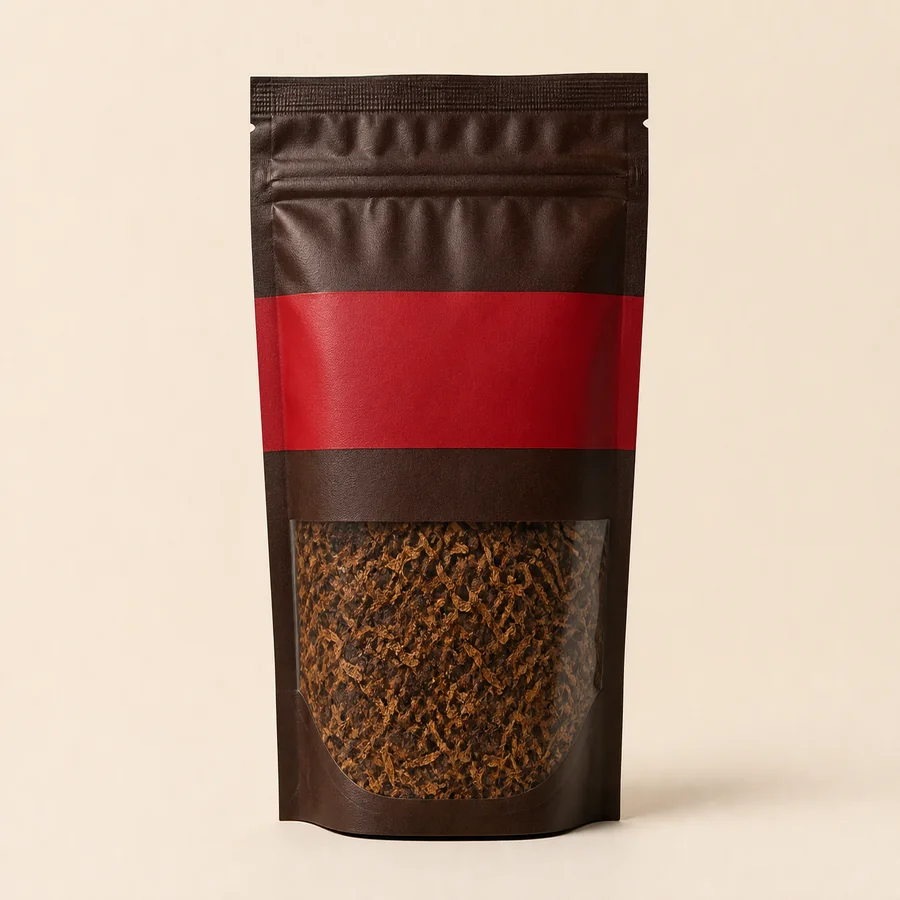
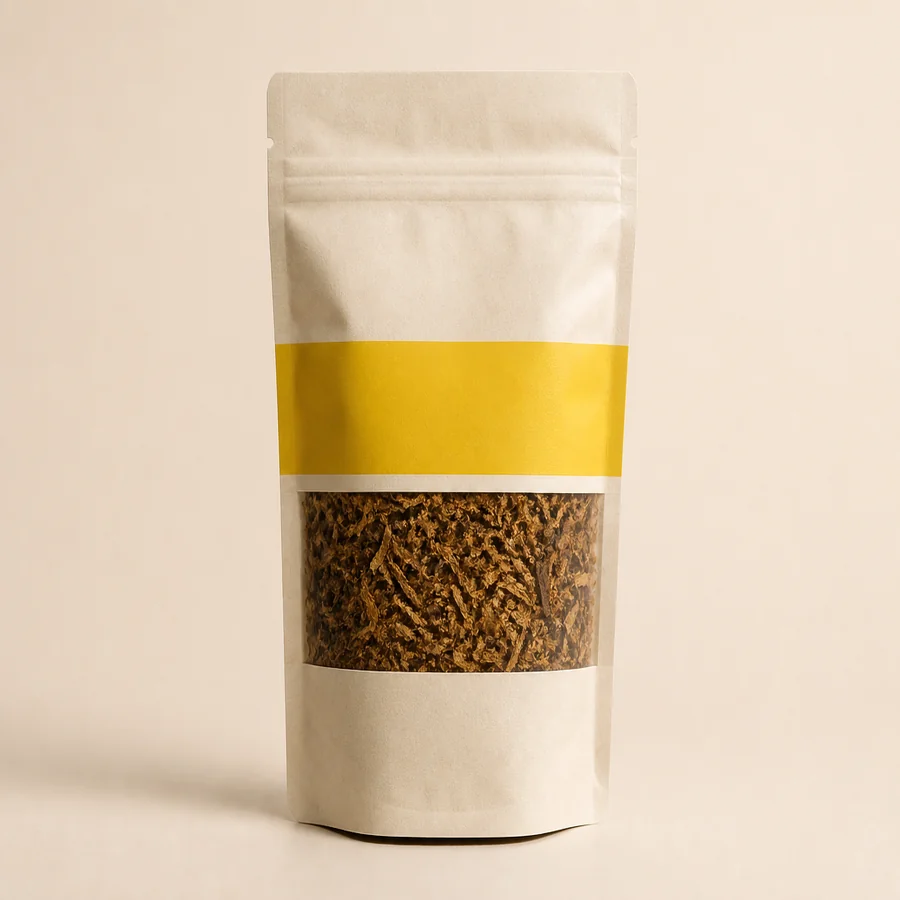
Tobacco wholesalers aggregate orders from grocery, convenience and specialty smoke accounts. Golden Harvest sits in value RYO tiers with high turnover SKUs like Red and Yellow.
Stores rarely order direct from factory—they contract through licensed distributors per state law.
SKU assortment
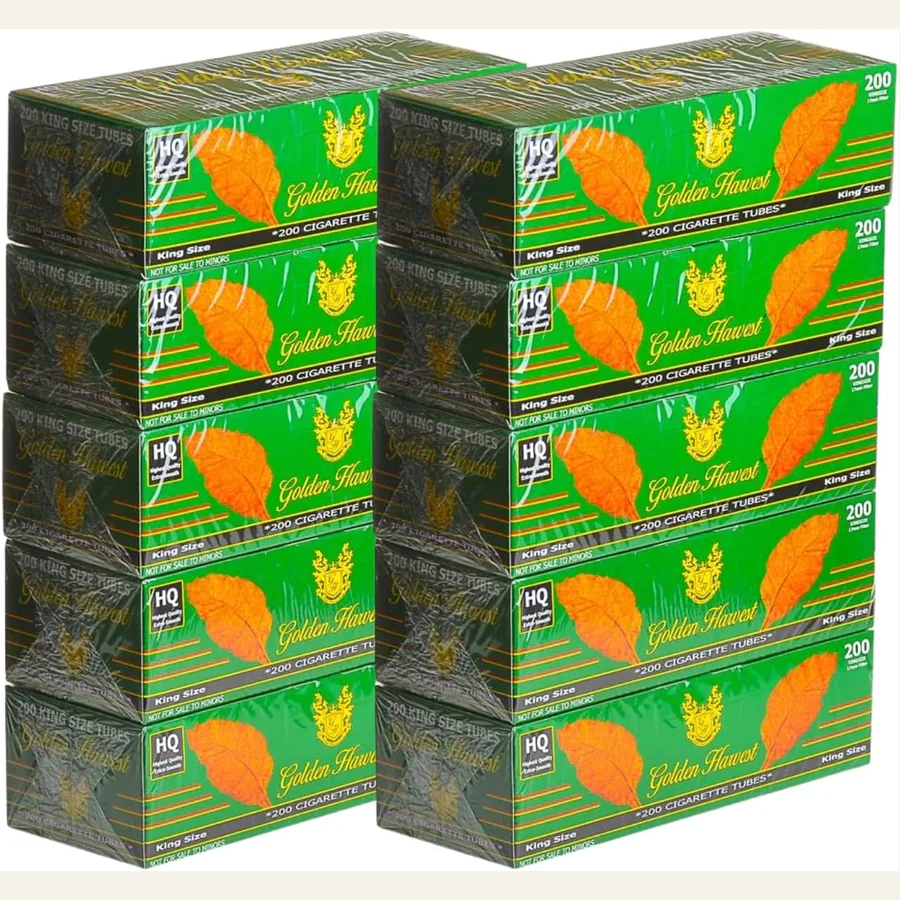
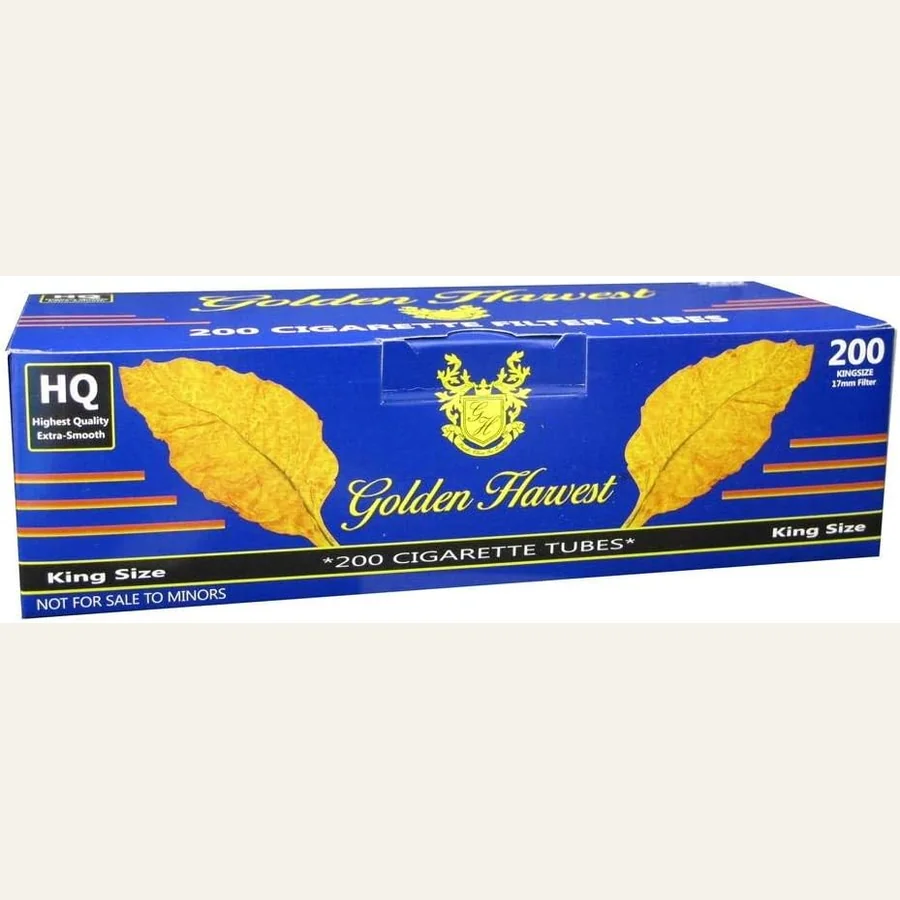
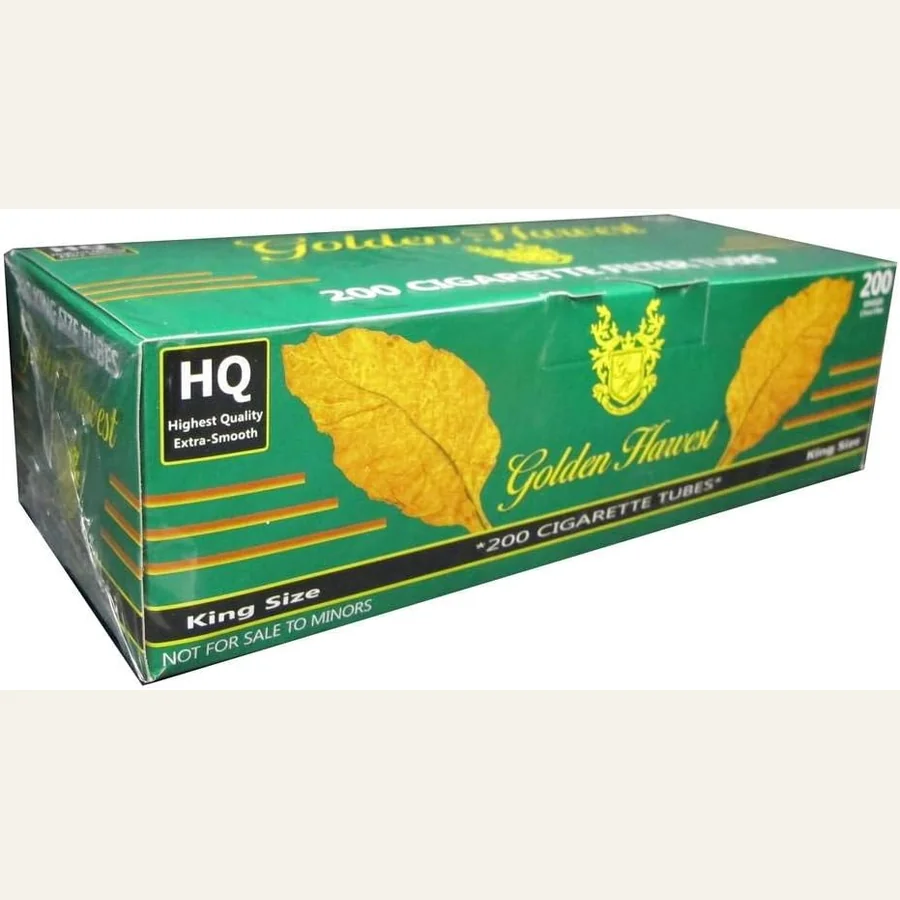
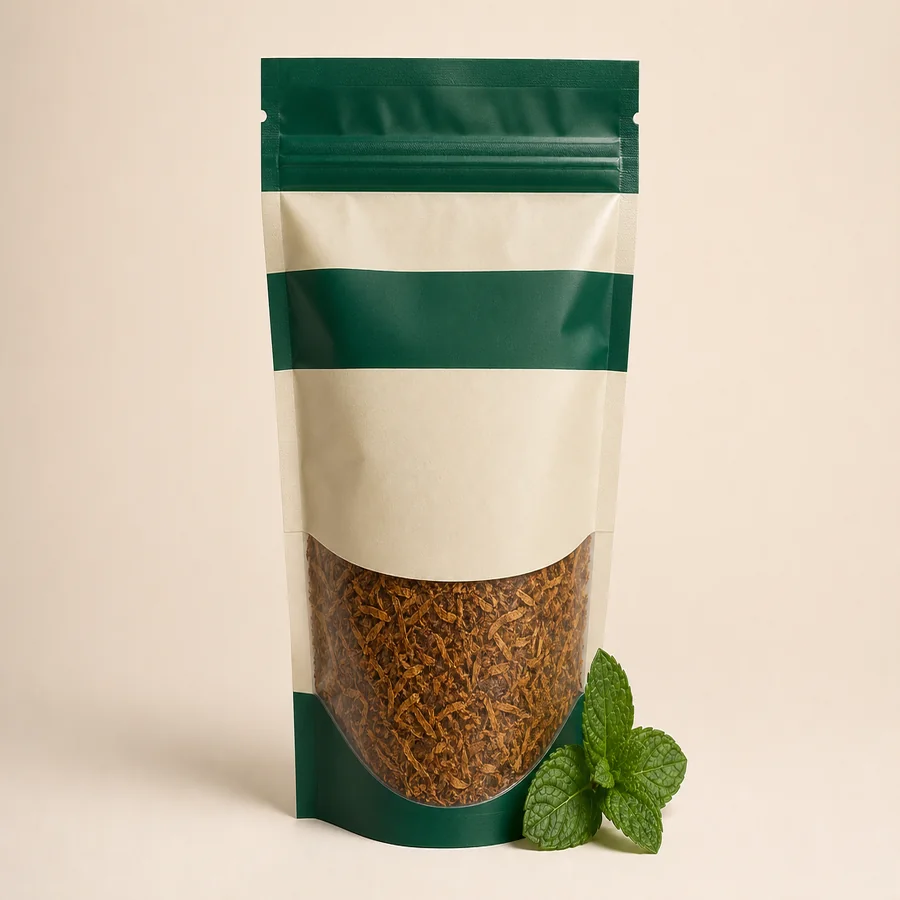
Distributor catalogs typically list color-coded pouches plus larger 16 oz formats where legal. Tubes and injectors may share the same supplier route even if SKUs belong to accessory vendors.
Limited editions or seasonal promos appear in circulars when wholesalers push display volume.
Retail allocation
Low-volume stores receive partial assortments—maybe two colors. High-volume outlets refresh weekly with broader color spread and backup 16 oz stock.
Managers request planogram changes through distributor reps; customer ask rates influence future facing.
Freshness logistics
Climate-controlled warehouses preserve moisture until last-mile delivery. Summer heat in unrefrigerated delivery vans can dry pouches—retailers should inspect cases on receipt.
First-in-first-out rotation at store level protects customers from stale tail stock.
State excise layers
Wholesale price plus state excise determines shelf price. Border counties sometimes show dramatic differences driven by tax, not production cost.
Distributors comply with licensing and reporting; gray-market diversion violates chain integrity and risks stale product.
Out-of-stock cycles
Supply interruptions happen during regulatory transitions or warehouse reallocations. Persistent gaps may indicate local distributor deprioritization rather than national discontinuation.
Ask retailers which wholesaler they use when chasing missing colors—sister stores on the same route may still have inventory.
Store managers
Independent owners can often reorder specific Golden Harvest SKUs by UPC through their tobacco buyer portal. Provide exact color names to avoid pipe-category confusion.
Building rapport with reorder staff speeds restock when you are a regular RYO buyer.
Not a sales portal
This editorial site does not sell wholesale product or broker accounts. We explain supply paths so smokers and retailers understand why local shelves look the way they do.
For corporate or trade inquiries, contact licensed distributors in your state rather than editorial email.
Price pass-through
Excise hikes hit value tiers quickly because margins are thin. Shelf price jumps may reflect tax events rather than Rouseco list changes—read local news when pouches jump overnight.
Multi-state operators price uniformly within regions; independent stores may undercut chains on single pouches while losing on bulk.
Inventory audits
Store managers running monthly counts should separate RYO pouches from premium cigar SKUs in spreadsheets—reorder thresholds differ dramatically.
Dead stock reports flag colors that need endcap promotions before expiration pressure forces write-downs.
Regional differences
Midwest distributors may prioritize Yellow and Red while Southeast accounts order more Green menthol. Your local facing reflects regional taste, not national rank.
Urban c-stores with limited facings often choose two colors based on scan data—usually Red plus Yellow as safe movers.
Practical notes
Promotional displays often coincide with distributor push weeks—watch endcaps after major tobacco trade shows when new facings roll out regionally.
Independent grocers joining co-ops gain access to broader RYO catalogs overnight; newly affiliated stores may suddenly stock Green menthol after years without it.
Scan data drives reorders faster than verbal requests—buying the colors you want when in stock reinforces automated replenishment.
Distributor sales reps visit high-volume stores quarterly—manager feedback during those visits can restore slow-moving SKUs.
Cold-chain is rarely needed for pouches, but avoid retailers who store tobacco next to bakery exhaust heat—ambient abuse dries stock early.
Golden Harvest earns repeat buyers when freshness and cut consistency stay predictable pouch to pouch. Note lot codes when a bag performs especially well so you can compare future purchases against the same production window.
State tobacco laws change—excise tiers, flavor bans and age verification rules affect what appears on local shelves. Always confirm current regulations in your jurisdiction before assuming a flavor or format remains available.
Independent guides like this one translate label jargon into everyday decisions. We do not manufacture or sell tobacco; we help roll-your-own smokers compare options with clear, practical language.
If a pouch underperforms, check storage history before blaming the blend. Heat and air exposure damage flavor faster than most smokers realize, especially in summer glove boxes or garage workbenches.
Rotate between two color-coded blends occasionally to notice subtle preference shifts as your taste adapts. Smokers stepping down strength often progress Yellow → Blue → Silver over weeks rather than overnight jumps.
Keep a dedicated tray for filling tubes so loose shag does not contaminate work surfaces or pick up dust that alters taste. Clean trays wipe quickly with a damp cloth between sessions.
When comparing Golden Harvest to another value brand, use the same tube brand and fill technique for both tests. Otherwise you are measuring variables, not tobacco character.
Retail clerks sometimes confuse pipe tobacco aisles with RYO displays. Politely ask if Golden Harvest is stocked near cigarette tubes—you may find it behind a counter not visible from the main floor.
Robert Hayes covers American loose tobacco and RYO workflows for Golden Harvest Tobacco. This guide is editorial and independent.